Lifetime Cleaning & Polishing·Team of 10 · In-house jewellers·7-Day Diamond Return
1300 092 000info@annys.com.au
Manufacturing Jewellers

Lab Grown Diamonds

A lab grown diamond is a real diamond — same chemical composition, same hardness, same fire as a mined stone, grown over weeks under controlled conditions instead of millions of years underground. The difference is origin and price per carat, not the diamond itself.

Hardness
10 Mohs
Refractive index
2.42
Certified by
IGI or GIA
Versus natural
50–70 per cent less
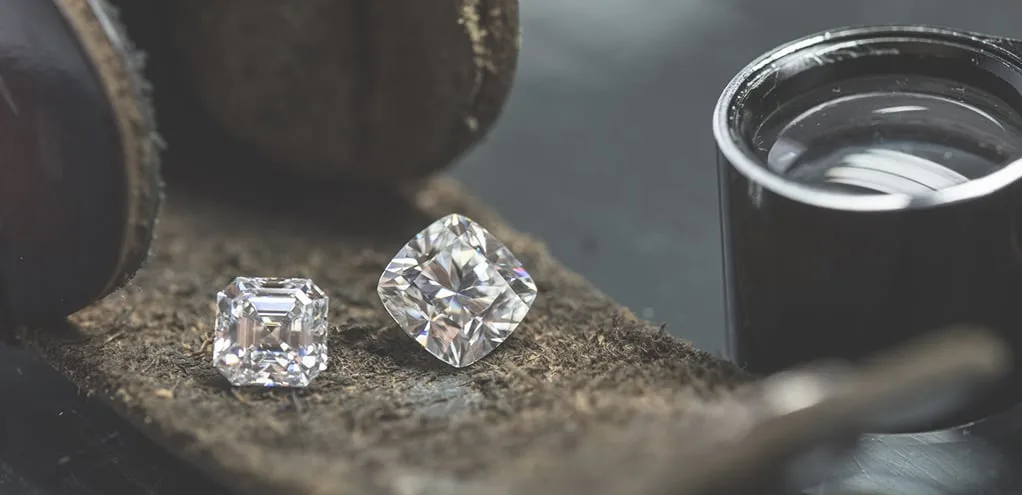
An asscher cut and a cushion cut diamond resting on a jeweller's bench pad beside a loupe

What it costs

How lab grown pricing compares in Melbourne

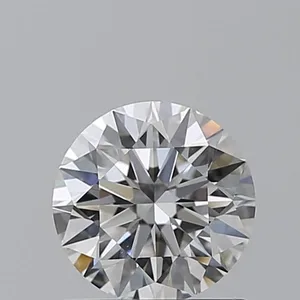
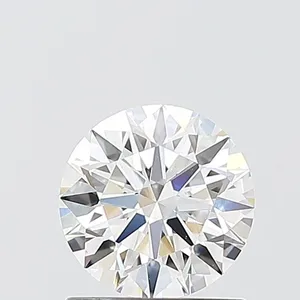
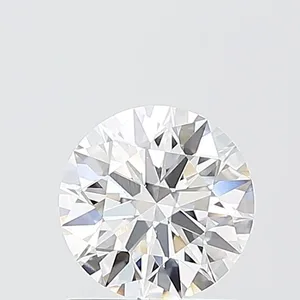
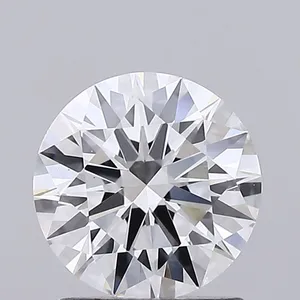
Lab grown diamonds offer exceptional value — typically 50 to 70 per cent less than a natural diamond of a similar grading. A 1.00ct lab grown round at strong colour and clarity sits well under A$2,000 at indicative retail at our Frankston workshop, which makes a visibly larger, cleaner stone reachable on the same budget. Below are starting points from current inventory for a round lab grown diamond at E colour, VS1 clarity.

1.00ct

A$1,500

E colour · VS1 · round lab grown

1.50ct

A$1,800

E colour · VS1 · round lab grown

2.00ct

A$2,200

E colour · VS1 · round lab grown

A 1.00ct natural diamond at comparable colour and clarity typically lists two to three times higher in the Melbourne market. That is the lever lab grown buyers are pulling — a larger, cleaner stone at the same spend, or the same stone for a fraction of it. Exact pricing depends on the stone-specific 4Cs of the diamond you choose — finer cut grades, higher clarity, fluorescence, measurements and ratio all move the number — and on supplier availability week to week. Browse current lab grown inventory for live pricing and report details for the individual stone where available. For today's typical prices by carat and shape, natural against lab grown, use the calculator below.

Diamond shape
What do you know?
Carat weight

At this size, lab-grown costs about 80% less than natural.

Natural: E–F colour, VS2 clarity, excellent cut for rounds. Lab-grown: E colour, VS1 clarity, ideal cut for rounds. GST included.

Put it in an engagement ring

Typical prices of the diamonds available through us, updated 11 October 2026. See every shape and size in our diamond price guide.

How lab grown diamonds are made

Two production methods dominate the market. Both begin with a thin slice of diamond seed, and both yield diamond with essentially the same chemical, physical and optical properties as natural diamond. Growth-related features allow specialist testing to distinguish origin.

Method one

Chemical Vapour Deposition

CVD

A diamond seed is placed inside a vacuum chamber, which is flooded with a carbon-rich gas (typically methane) and superheated until the gas ionises into a plasma. Carbon atoms separate from the plasma and settle onto the seed layer by layer, growing a rough diamond over several weeks.

Very few inclusions and excellent control over colour and clarity. Most commercial stones sold today are CVD, because the process scales efficiently and stays consistent at larger carat weights.
Method two

High Pressure High Temperature

HPHT

Graphite is loaded into a press alongside a small diamond seed, then compressed at roughly 5 gigapascals — about 50,000 atmospheres — and heated to around 1,500°C. Under those conditions the graphite's carbon atoms restructure into the diamond cubic lattice and bond onto the seed.

The original lab method, mimicking conditions deep in the Earth's mantle. Still used today, particularly for treating natural diamonds to improve colour grades.

The rough stone is then cut and polished exactly as a rough natural diamond would be. Check the individual report for any growth-method or treatment information; the details provided depend on the laboratory and report service.

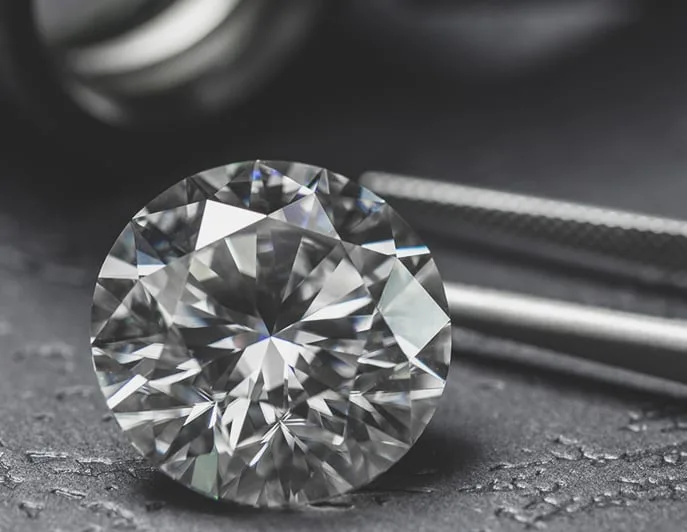
A loose round brilliant diamond on a dark bench beside a pair of jeweller's tweezers

The properties, side by side

A lab diamond is a diamond. A simulant is not.

Lab grown and natural diamonds share essentially the same chemical, physical and optical properties. Cubic zirconia, moissanite, white sapphire and YAG are simulants — they look similar to the eye but are different materials, with different composition, hardness and optics.

Lab grown and natural diamond measured against four common diamond simulants
MaterialFormulaStructureRefr. indexDispersionHardnessDensity
Lab grown diamondCCubic2.420.044103.52
Natural diamondCCubic2.420.044103.52
Cubic zirconiaZrO2Cubic2.200.0668.255.70
MoissaniteSiCHexagonal2.650.1049.253.21
White sapphireAl2O3Hexagonal1.770.01893.97
YAGY3Al5O12Cubic1.830.0288.254.60

These are typical material values, not a prediction of an individual stone's sparkle. Growth features allow specialist testing to distinguish origin. Compare cut, proportions and actual appearance to judge brightness, fire and scintillation.

Can anyone tell the difference?

Both are diamond and can look alike to the unaided eye. A jeweller's loupe or a basic handheld diamond tester cannot reliably establish origin; specialist testing is needed.

Telling the two origins apart requires specialised equipment. Laboratories use DiamondView fluorescence imaging and photoluminescence spectroscopy to examine growth-related features. Check the available report for the individual stone.

Where an inscription is present, compare it alongside the stone's measurements and identifying features with the laboratory's official report record. An inscription is a useful check, but is not conclusive authentication on its own.

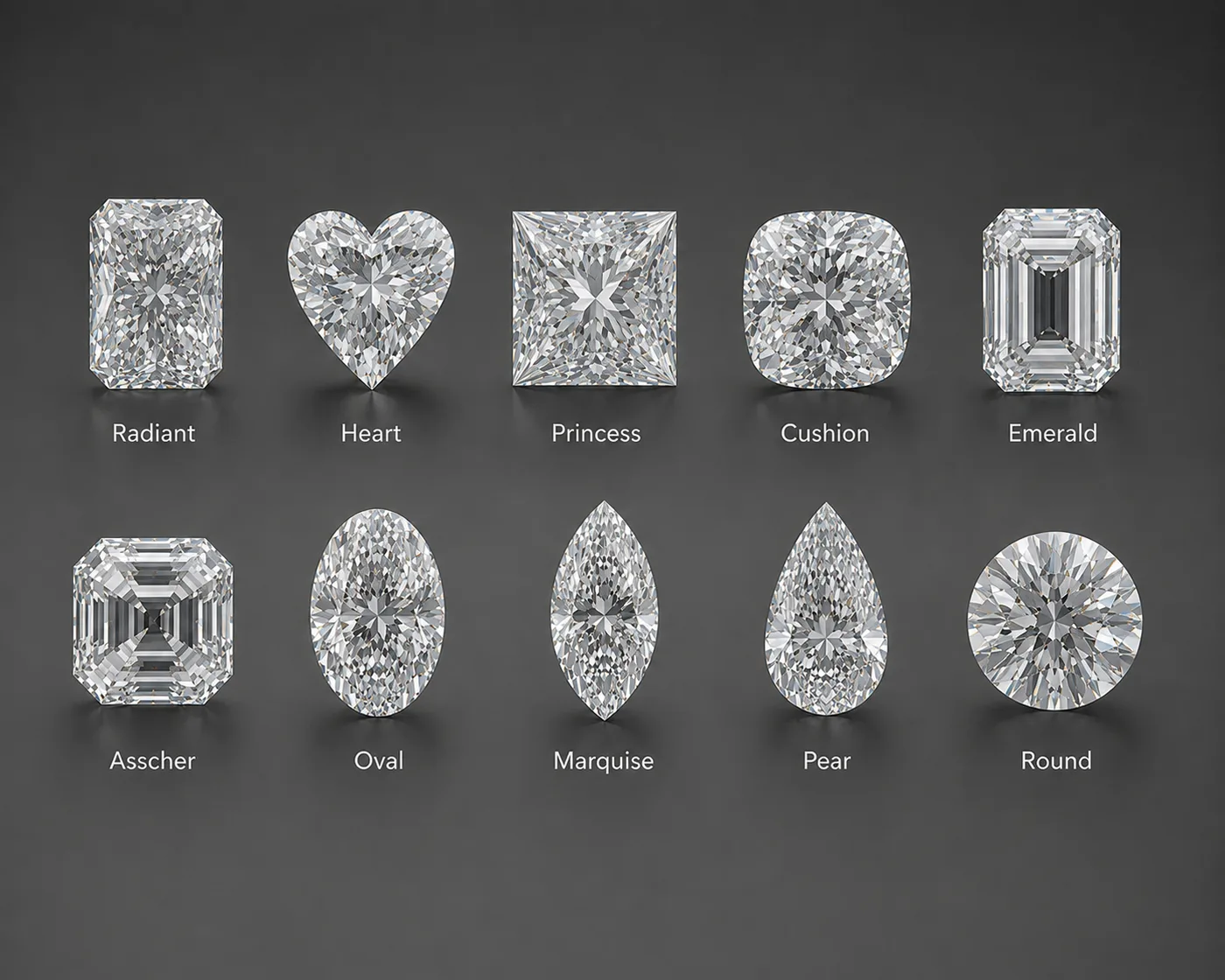
The ten diamond shapes: radiant, heart, princess, cushion, emerald, asscher, oval, marquise, pear and round
Lab grown diamonds come in every shape a natural diamond does, from 0.01ct to 5ct and from D VVS1 through to fancy pinks and blues.

In our workshop

SmartPro MAX

diamond tester

We do not rely on the certificate alone. Anny's screens stones in-house with a SmartPro MAX. It screens suitable colourless-to-near-colourless stones, and we assess its result alongside examination. Some results require further testing to establish origin.

It supports suitable loose and mounted stones. Suitability depends on the stone and access in its setting, including for a piece you bring to us from somewhere else.

Lab grown or natural — which is right for you?

We sell both, and we won't push you toward one origin over the other. For buyers prioritising cost per carat — the most impressive stone for the budget — lab grown wins clearly. For buyers who want a stone that formed in the Earth over billions of years, natural wins. There is no wrong answer; it depends on what you value.

Lab grown and natural diamonds — side-by-side comparison
CriterionLab grownNatural
OriginGrown in a lab over weeks (CVD or HPHT)Formed in the Earth's mantle over millions to billions of years
CertificationIGI individual grades; GIA Premium or Standard assessments for eligible stonesGIA preferred; IGI accepted
4Cs gradingIndividual grades or overall assessment, depending on the report serviceTraditional individual grades; compare the actual report
Hardness10 Mohs10 Mohs
Price per caratTypically 50–70 per cent less at comparable individual gradesHigher per carat at the same grading
Shapes and sizes0.01ct to 5ct, every shape, D VVS1 to fancy pinks and bluesEvery shape and size, subject to what has been mined

What certification should I look for?

IGI, the International Gemological Institute, provides individual quality grades on its lab grown diamond reports. GIA, the Gemological Institute of America, uses a different format for its current eligible lab grown service.

Since 1 October 2025, GIA's eligible colourless-to-near-colourless lab grown service uses Premium or Standard overall assessments. Older GIA reports can have different formats; check the actual report and service when comparing stones.

Avoid lab grown stones offered without IGI or GIA certification. Smaller national laboratories vary widely in grading rigour, and an in-house appraisal from the seller carries far less weight than an independent lab report.

Premium and Standard are overall assessments, not direct substitutes for an individual colour or clarity grade. Compare reports from the same service where possible, then assess the appearance of each stone. Older grading reports remain useful records; their format should be read in context.

How long will it last?

Care matters.

Lab grown diamonds have the same care needs as natural diamonds. Mohs 10 describes scratch resistance, not immunity to damage: diamonds can still chip. Surface damage and dirt can also affect how a stone looks.

Remove your ring for gardening, gym work and activities involving hard knocks. A protective setting helps, but cannot prevent every impact. The metal and claws can also wear with use.

Have the stone and setting checked periodically, and promptly after a hard knock or if a claw feels loose. Cleaning and any maintenance should suit the condition of the whole piece.

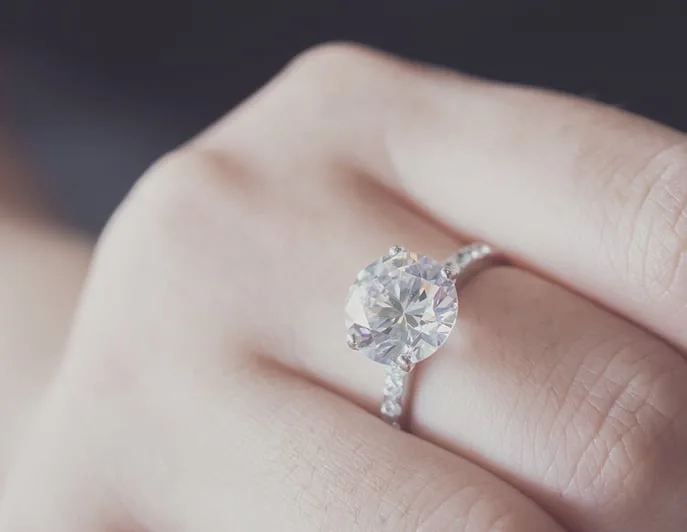
A round brilliant solitaire with a diamond-set band worn on a finger

Common questions

  • Are lab grown diamonds real diamonds?
    Yes. Lab grown and natural stones are both diamond, with essentially the same chemical, physical and optical properties. Growth-related features allow specialist testing to distinguish origin; cut and the individual stone determine its appearance.
  • How much cheaper are lab grown diamonds than natural diamonds?
    Roughly 50 to 70 per cent cheaper at comparable individual grades. A 1.00ct E VS1 round lab grown diamond starts well under A$2,000 at our Frankston workshop; a 1.00ct natural diamond at comparable colour and clarity typically lists two to three times higher.
  • Do you sell both natural and lab grown diamonds?
    Yes. We sell both, and we won't push you toward one origin over the other. We'll help you weigh the trade-off — cost-per-carat versus the origin story of the stone — honestly against your budget and the design you have in mind.
  • How are lab grown diamonds certified?
    IGI lab grown reports provide individual quality grades. Since 1 October 2025, GIA's eligible colourless-to-near-colourless lab grown service uses Premium or Standard overall assessments. Older GIA reports can have different formats; compare the actual report and service, and assess each stone's appearance individually.
  • Will a lab grown diamond last forever?
    Lab grown diamonds have the same care needs as natural diamonds. Their Mohs 10 hardness describes scratch resistance, not immunity to damage: they can still chip. Remove your ring for gardening, gym work and activities involving hard knocks, and have the stone and setting checked periodically.

Why buy your lab grown diamond from Anny's?

Anny's Manufacturing Jewellers has operated in Melbourne since 1990. For over 36 years we have been hand-setting diamonds into engagement rings, wedding bands and bespoke jewellery at our Frankston workshop. Email us before visiting Collins Street for engagement-ring and wedding-ring consultations. Please wait for our email confirmation before coming in.

The lab grown category is newer than that history, but our grading discipline, certificate verification and after-sale workshop support are the same whether the stone was grown in a reactor or pulled from the ground. We hand-select every stone, verify the certificate's laser inscription against it before setting, and stand behind the finished piece.

See the stones for yourself

Explore lab grown diamonds, with live pricing across every shape and grade. Or bring your brief to our Frankston workshop and we will select against it with you.

Keep reading

Updated 27 September 2026

About the author and reviewers

Anny's Manufacturing Jewellers is a family workshop in Frankston, established in 1990. Read our story.

Made personal, at Anny's

Come in. Let's create something special.

Speak to our team1300 092 000

Melbourne CBD

Melbourne showroom

257 Collins Street, Level 3
Melbourne VIC 3000

Email us before visiting Collins Street. Please wait for our email confirmation before coming in.

Arrange your visit

Our Frankston home

Frankston showroom

92 Young Street
Frankston VIC 3199

Visit us to talk through your ideas, explore designs and find your perfect fit.

Explore our Frankston showroom
01

Time to create

Typical engagement and bridal ring turnaround: 3–4 weeks from CAD sign-off. We also have 2-week and 48-hour options for engagement and bridal rings. Get in touch and we'll help find an option that works for your timeframe.

02

Care for your jewellery

Typical repair turnaround: 1 to 7 business days, depending on complexity and customer urgency

03

Choose with confidence

7-day diamond return policy