Diamond education / Find your shape
Diamond shape comparison: 10 shapes at a glance
Start with the outline and reflections you enjoy, then compare individual diamonds. Round is a starting point for lively sparkle; oval, pear and marquise offer longer outlines; emerald and Asscher emphasise broad reflections. Measurements, light performance and the setting matter as much as the shape name.
Meet the ten shapes
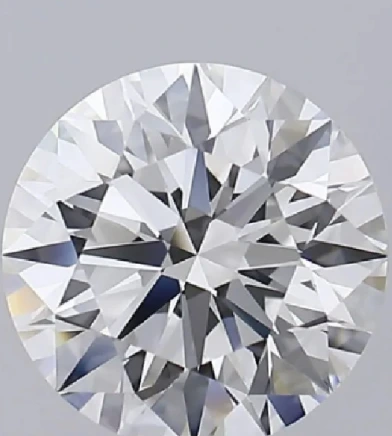
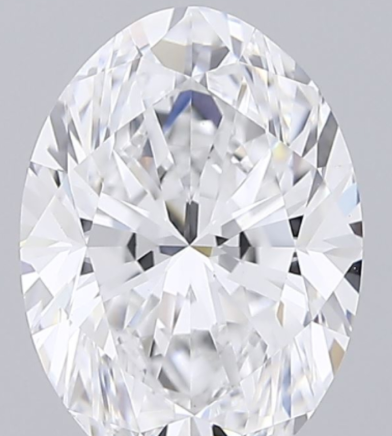
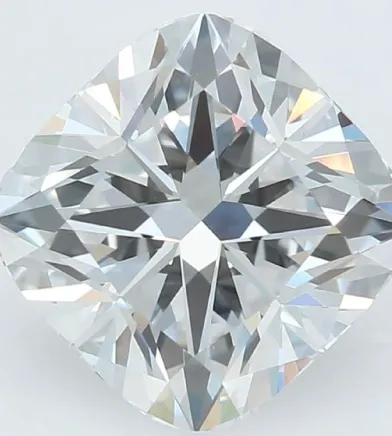
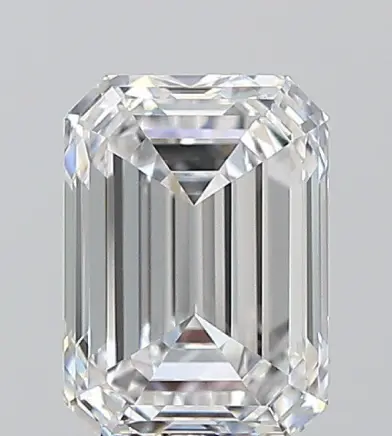
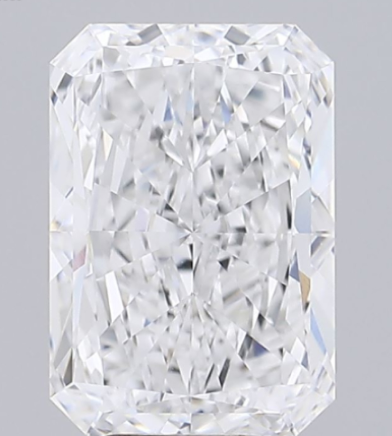
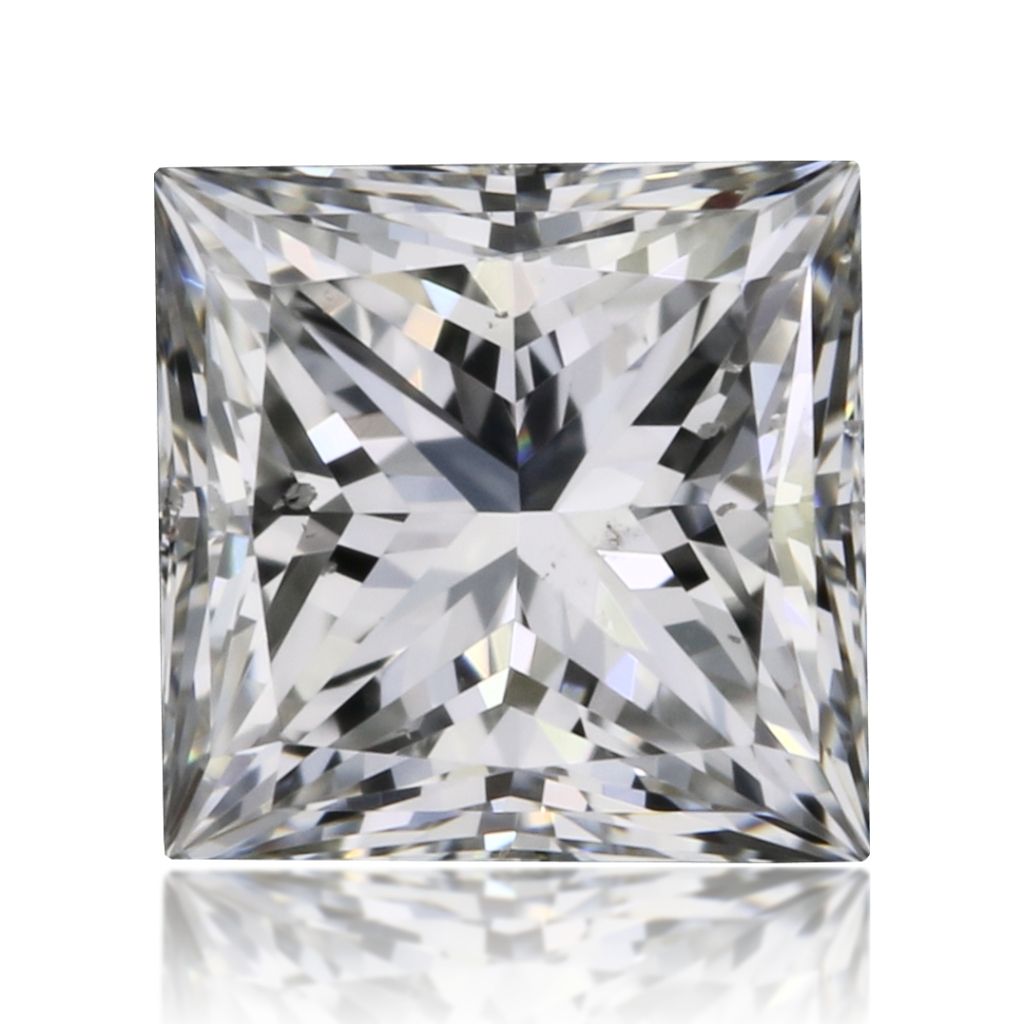
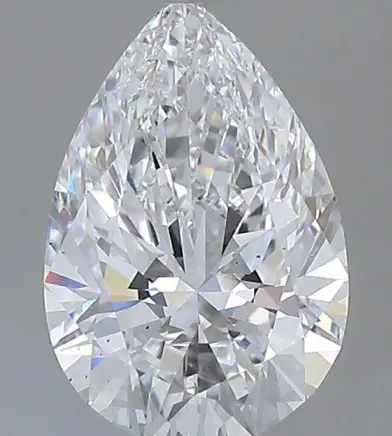
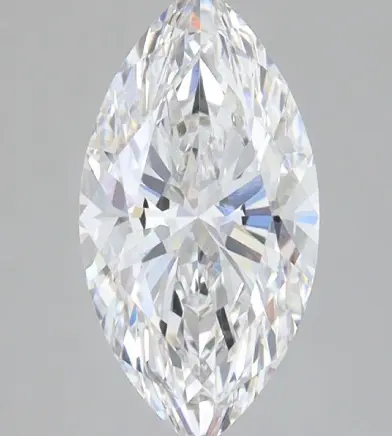
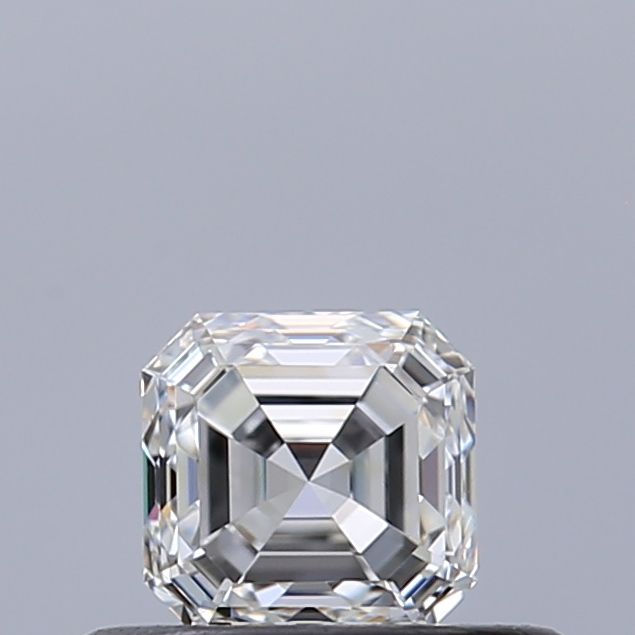
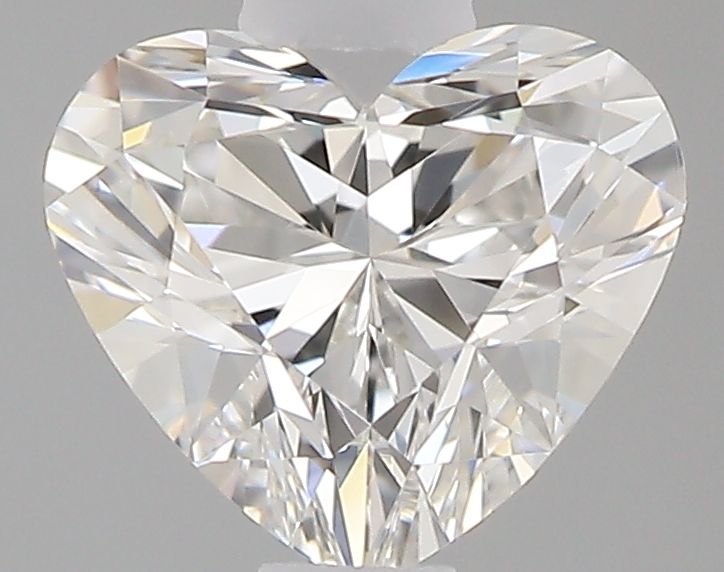
Real stone images from Anny’s buying guides, with princess, Asscher and heart examples from the diamond catalogue. The stones and magnifications vary, so use these photos to compare outlines, not size or quality. Cushion and radiant diamonds also come in different proportions.
| Shape | Its character | What to look at closely |
|---|---|---|
| Round brilliant | Circular, with a lively pattern of flashes. | Cut quality and brightness across the whole stone. |
| Oval | A rounded, elongated outline. | Whether you prefer a fuller or longer outline, and any distracting dark band through the centre. |
| Cushion | A square or rectangle with softly rounded corners. | Whether you prefer larger flashes or a finer, more fragmented sparkle. |
| Emerald | Usually rectangular, with clipped corners and broad, orderly reflections. | Clear, balanced reflections and visible inclusions. |
| Radiant | Square or rectangular, with clipped corners and brilliant-style sparkle. | Even brightness and the individual facet pattern. |
| Princess | Usually square, with sharp corners and brilliant-style sparkle. | Protection for all four corners. |
| Pear | A rounded end tapering to one point. | An even outline on both sides, a bright centre and protection for the tip. |
| Marquise | A long outline tapering to two points. | Symmetry, central brightness and protection for both tips. |
| Asscher | A square outline with clipped corners and broad reflections. | The pattern of reflections and any visible inclusions. |
| Heart | Two rounded lobes, a central dip and a pointed base. | A balanced outline and a setting that preserves its recognisable shape. |
These are starting points for comparison, rather than quality ratings. Two diamonds with the same shape name can look quite different. GIA's shape guide, cushion guide, radiant guide and princess guide
Shape and cut quality are different decisions
Shape is the outline seen from above. Cut style describes the arrangement of the polished surfaces, called facets. Cut quality concerns how well the diamond has been fashioned and how it handles light. GIA on diamond cut
A round outline alone does not guarantee a bright diamond. Equally, an attractive oval cannot be chosen from its measurements alone. Compare the grading report with clear video and, where possible, the actual stone in different lighting.
GIA's standard overall cut grade applies to standard natural round brilliants in the D-to-Z colour range. For non-round shapes, check what an online “Excellent” label refers to; it is not automatically a GIA overall cut grade. GIA also offers a separate AGS Ideal report for eligible diamonds, including some non-round shapes. GIA's explanation of cut grades · AGS Ideal report
Emerald, radiant or cushion: look beyond the rectangle
These shapes can share similar proportions but produce noticeably different effects.
An emerald cut has long, orderly step facets. As it moves, broad reflections travel through the stone, often described as a hall-of-mirrors effect. An Asscher offers a related effect in a squarer outline.
A radiant combines clipped corners with a more fragmented, brilliant-style pattern. A cushion has softer corners and can show anything from relatively broad flashes to a finer sparkle, depending on its facet arrangement.
Step cuts can make inclusions easier to notice, particularly beneath the large central facet. That does not create a compulsory clarity grade: inspect the particular stone and decide whether anything visible bothers you. GIA on emerald-cut diamonds
Which shape looks bigger?
Carat measures weight. Elongated stones may look longer on the finger but can also be narrower. Depth, outline and proportions all affect the size you see from above.
Compare length and width in millimetres, then look at the diamonds together. Avoid choosing a shallower stone simply to maximise its outline: light performance still matters. There is no reliable rule that every oval looks a fixed percentage bigger than every round of the same weight. GIA on diamond carat weight
One oval shape, three different proportions
Length-to-width ratio is simply length divided by width. For example, 8.7 mm ÷ 6.0 mm gives a ratio of 1.45. A higher number describes a longer outline relative to its width; it does not mean a better diamond.
Try a fuller oval beside a longer one. The same preference for squarer or more elongated proportions also comes into choosing cushions, radiants and emerald cuts.
Bow ties: what to look for and what to avoid
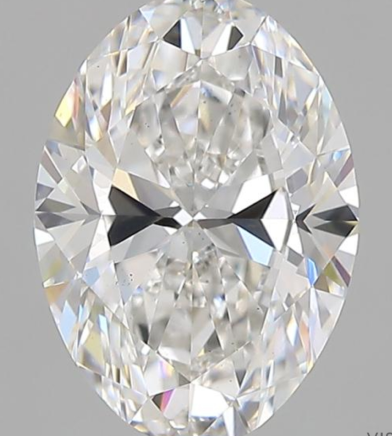
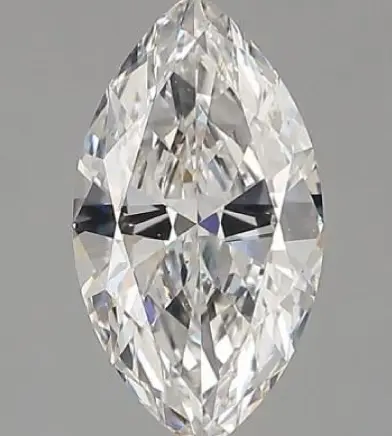
Some elongated brilliant-style diamonds, especially ovals, pears and marquises, show a darker area across the centre called a bow tie. Radiants can also show distracting central shadows. Its visibility changes with the stone's proportions, lighting and viewing position. Part of this contrast comes from the viewer blocking light that would otherwise reach the diamond.
Look for a centre that blends with the rest of the stone as it moves. Avoid a heavy dark band that remains distracting through ordinary viewing angles. Some changing contrast is part of a diamond’s visual pattern; the aim is not to remove every dark facet. GIA on oval diamonds and bow ties
Oval
Marquise
Radiant
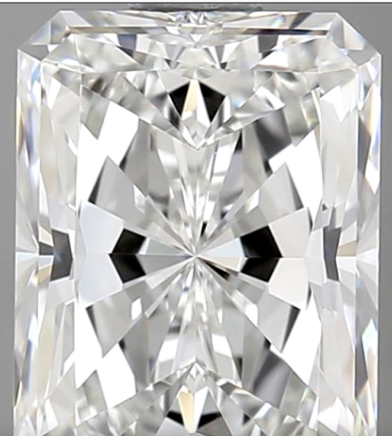
Source examples from the “Good” and “Avoid” sections of Anny’s oval, marquise and radiant buying guides. Different stones; lighting and magnification are not verified as matching. These stills show central contrast, not a controlled cut-quality comparison.
Ask to see each candidate rotate slowly in clear video and, where possible, in person under more than one type of lighting. Watch whether the centre brightens and changes, or keeps drawing your eye as a dark strip. A report or single photograph cannot show how the pattern changes.
Which shapes suit everyday wear?
Points and sharp corners need thoughtful protection. A pear and a heart each have one tip, a marquise has two, and a princess has four sharp corners. Suitable claws or a bezel—a rim of metal around the edge—can help protect vulnerable areas.
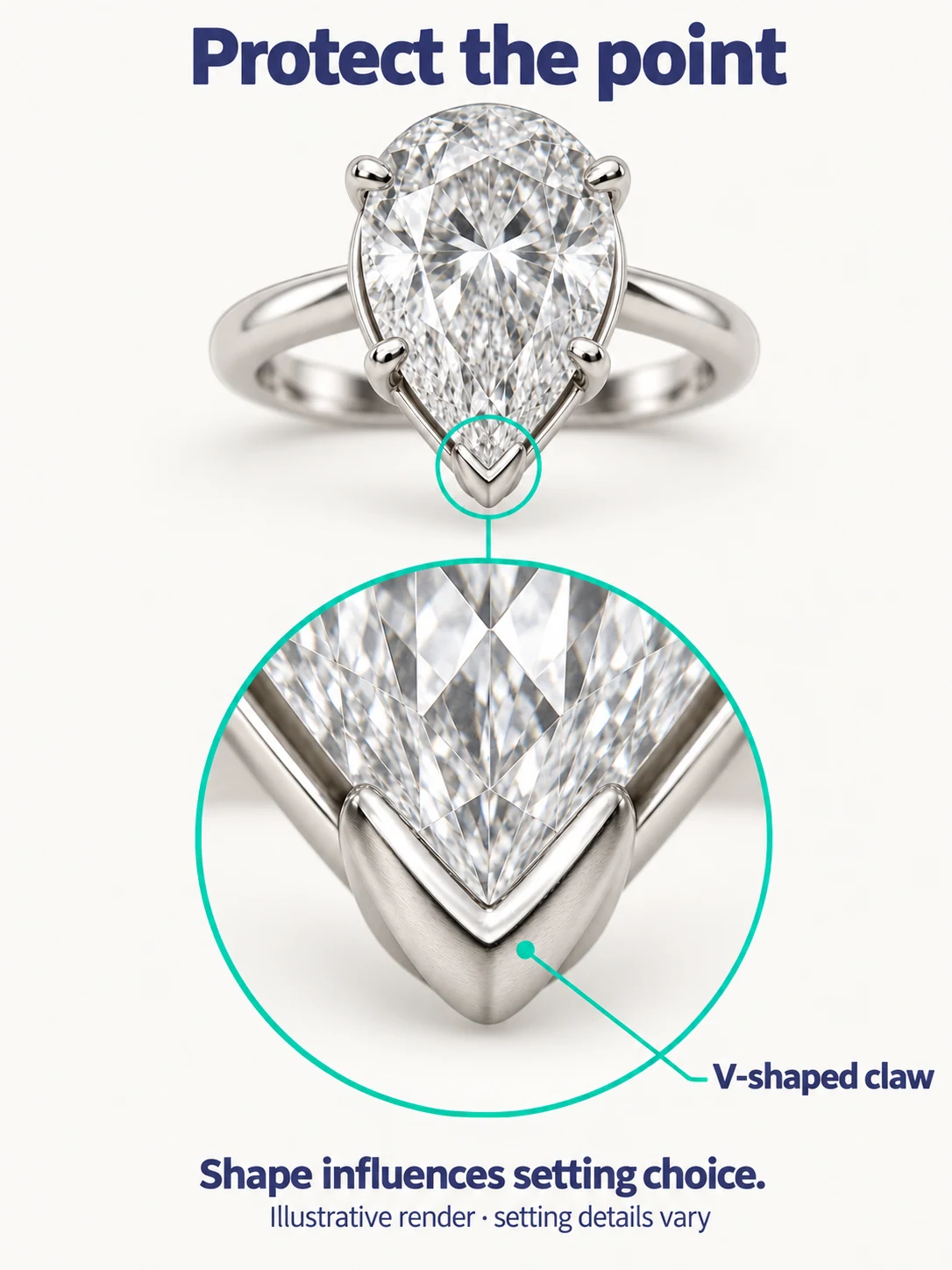
Rounded outlines avoid exposed tips, but every diamond can chip. The girdle, its outer edge, can vary in thickness in any shape. Rounded or clipped corners do not make a diamond damage-proof.
Choose the setting alongside the stone, especially if you work with your hands. Ring height, exposed edges and comfort matter; remove fine jewellery for activities that risk hard knocks. GIA's settings guide and diamond care guidance
Compare example prices and measurements
Here are four Anny’s listings checked on 19 September 2026. Each is a 1.00ct natural diamond, F colour, VS1 clarity, with a GIA report listed.
| Shape and listing | Listed measurements | Loose-stone price |
|---|---|---|
| Round — A9F2BBCD3 | 6.37 × 6.40 mm | A$7,011 |
| Oval — D57556C4C | 7.53 × 5.39 mm | A$6,296 |
| Emerald — 96C9FEAA5 | 6.31 × 4.62 mm | A$5,319 |
| Radiant — 4DF0305AC | 6.61 × 5.10 mm | A$5,602 |
Displayed Australian-dollar prices include GST and cover the loose stone only. One example per shape; other specifications and purchase terms vary. Prices and availability can change. Online listings do not mean the stones are held in our stores.
These examples show why measurements deserve a place beside carat weight. They do not establish a permanent cheapest-shape order. Compare current natural diamonds and lab-grown diamonds separately, then allow for the setting and manufacture when planning your complete-ring budget.
Find your shape with Anny’s
Shortlist two or three outlines, then consider them with the band width, setting height and wedding ring you want. There is no rule restricting a particular shape to a particular hand. The most useful comparison is the complete design on your finger.
At Anny’s, we can help you turn that shortlist into a custom-made ring. Email info@annys.com.au with your preferred shapes and complete-ring budget to discuss suitable options.
Frankston: 92 Young Street. Walk-ins welcome; no appointment required. Monday–Friday 10am–5pm and Saturday 10am–3pm.
Melbourne CBD: Level 3, 257 Collins Street. Email us before visiting Collins Street for engagement-ring and wedding-ring consultations. Please wait for our email confirmation before coming in. Remodelling consultations take place at our Frankston workshop.