Choosing your engagement ring metal
Platinum vs 18ct white gold
Both can make a beautiful ring for a lifetime. Here is how to compare their colour, feel, care and cost before choosing your metal.
The quick answer
Choose platinum if you want a naturally white metal, a more substantial feel and no rhodium replating. Choose 18ct white gold if you prefer its usually lighter feel and are comfortable refreshing its plated finish when needed. Both can suit a ring worn for a lifetime when the design, manufacture and care are right. Neither is scratch-proof or maintenance-free, so compare the same design in both metals and choose the finish, feel and care you prefer.
A similar white finish
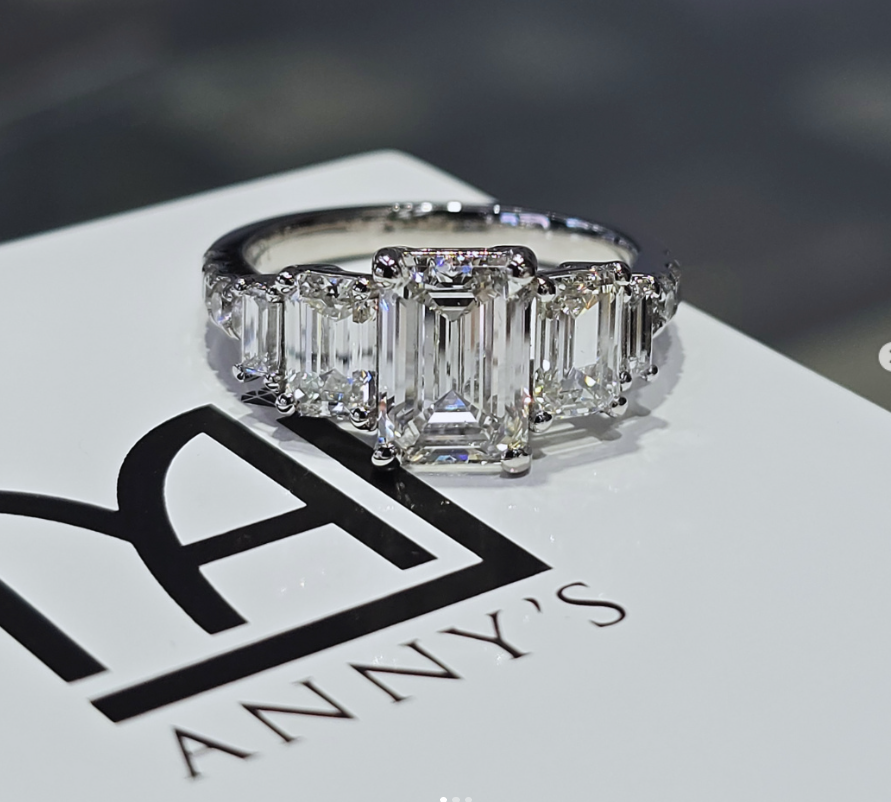
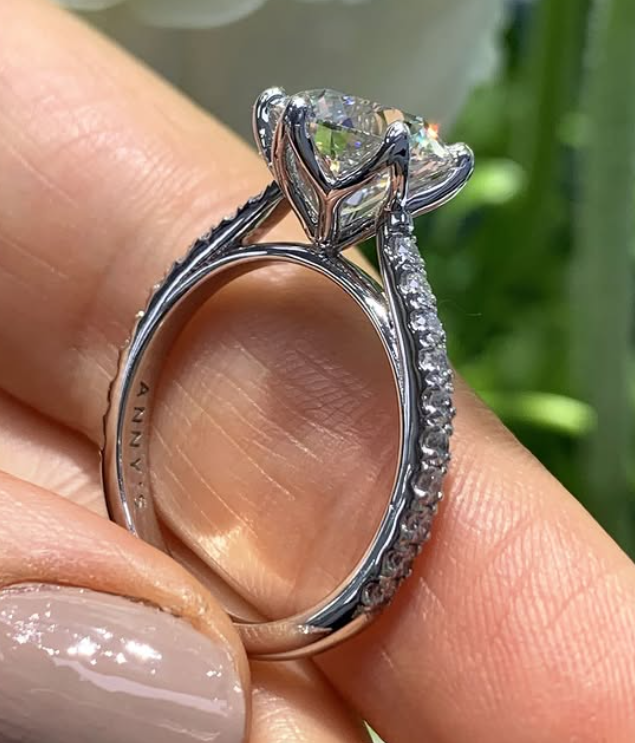
Platinum & white gold
The differences at a glance
| What matters | Platinum | 18ct white gold |
|---|---|---|
| Colour and finish | Naturally white; can develop a softer patina with wear. | Usually rhodium plated; the underlying colour depends on the alloy. |
| Feel on the hand | Usually heavier in a comparable design. | Usually lighter in a comparable design. |
| Scratches and wear | Can scratch and wear; alloy and finish matter. | Can scratch and wear; alloy and finish matter. |
| Stone setting | Suitable when the setting is properly designed and made. | Suitable when the setting is properly designed and made. |
| Care | Cleaning, setting checks and refinishing when appropriate. | Cleaning, setting checks and rhodium replating as needed. |
| Price | Depends on the design, alloy, weight, labour and metal prices. | Depends on the design, alloy, weight, labour and metal prices. |
How the finish changes with wear
18ct white gold is 75% gold, combined with other metals to create a paler colour. It is usually coated with rhodium for a bright white finish. The shade underneath varies with the alloy: some white gold looks warmer than others. 1
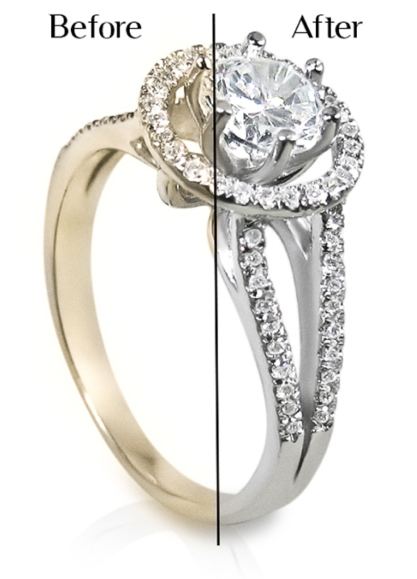
As the coating wears, that underlying colour can become more visible, particularly where the ring rubs against other surfaces. Replating can restore the bright finish. How soon you want that done depends on your wear and the appearance you prefer.
Platinum's white colour comes from the alloy itself. Fine marks can gradually soften its shine into a patina. Some people enjoy that texture; others prefer a brighter polish. Discuss refinishing with a jeweller so the work suits the ring's condition and details.
Weight matters, but so does the whole design
Platinum is generally denser than 18ct white gold, so a comparable ring usually feels heavier. Some wearers enjoy that substantial feel. Others prefer a ring that feels lighter on the hand. There is no universal preference you need to follow.
Assess weight alongside the band's width, thickness and profile. The size and height of the setting also affect how the ring feels in everyday use. Comparing a slim white gold solitaire with a broad platinum ring will tell you as much about their designs as their metals.
If you plan to wear a wedding band alongside it, consider the pair together. Comfort, spacing and the way the rings sit against each other deserve attention before either design is finalised.
A durable ring starts with its construction
The practical answer: both metals can support a lasting ring when the setting is well proportioned, made and maintained. A hardness number does not predict how long a finished ring will last.
At Anny's, we use Pt950 platinum alloyed with cobalt: 95% platinum and 5% cobalt. Cobalt helps this alloy flow into fine details during casting. Published alloy values provide background rather than a measurement of every Anny's ring. 2
Alloy test data


The separate 135 HV cast reference for Pt950 with 5% cobalt does not state a test load, so it is not directly comparable with the HV0.1 study below. 2 It is not a measurement of an Anny's ring.
| Alloy | Hardness (HV0.1) |
|---|---|
| Platinum 950 / 5% iridium | 134 |
| Platinum 950 / 5% ruthenium | 149 |
| 18ct white gold / 13% palladium | 213 |
| 18ct white gold / 12.5% nickel | 287 |
HV0.1 identifies a Vickers test with a 100 g load. This study did not test platinum with cobalt. These averages describe the four research alloys under the study's test conditions and cannot be directly compared with the separate cobalt reference. Hardness does not measure strength or wear resistance.
Hardness is only one part of durability. One study found less material loss in the platinum samples it tested, but it did not include Anny's platinum-cobalt alloy. Treat the result as background, not a prediction of how a finished ring will wear. Abrasion and polishing can remove material from both platinum and gold. 3
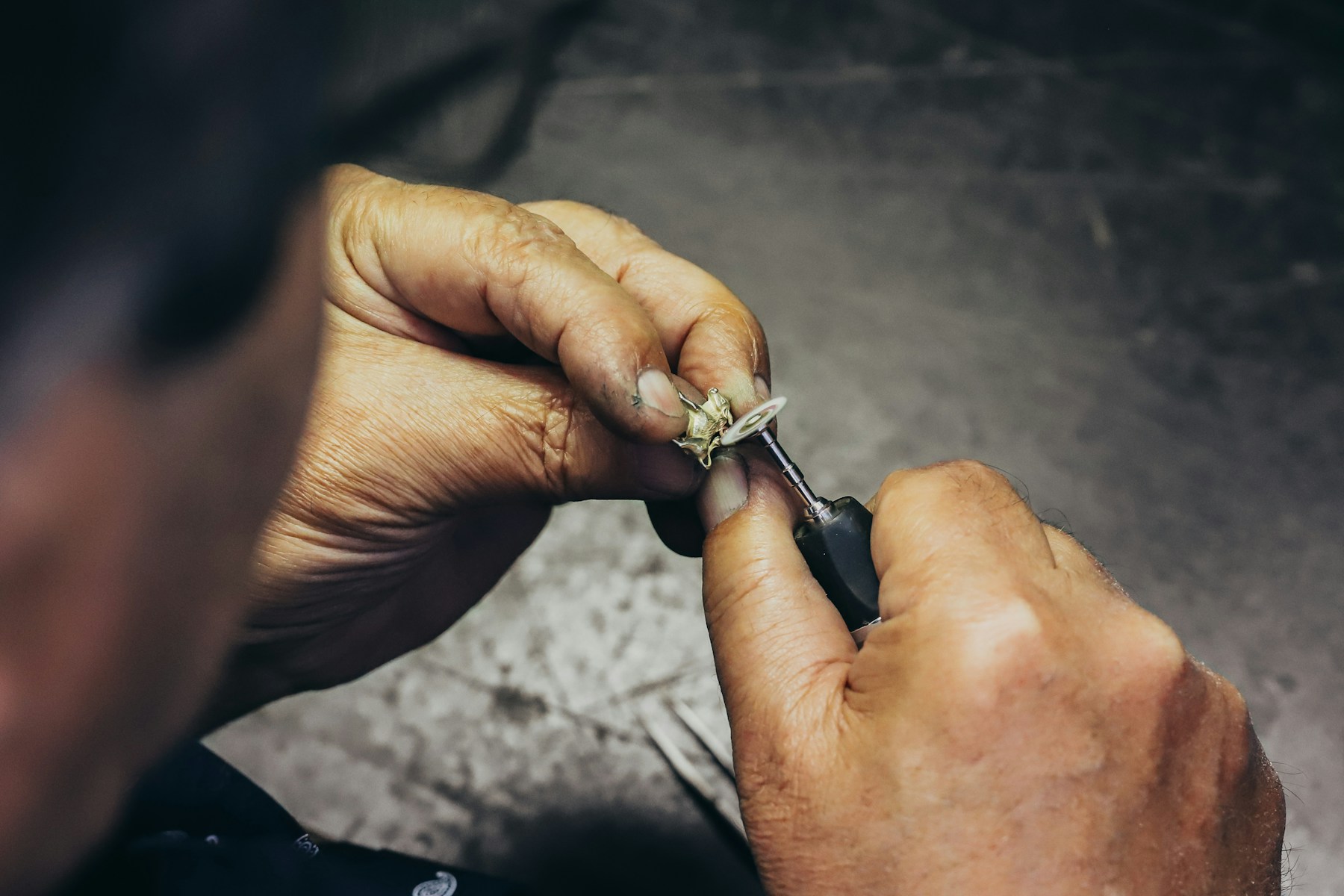
For the diamond, the setting's proportions, claw condition and quality of manufacture all matter. Both metals can support a lasting ring when the construction suits the stone and design. Regular inspections help identify loose stones or worn claws before a problem develops. Have the setting checked after a significant knock or if anything feels loose. 4
Compare the quote and the ongoing care
Compare quotes for the same design and stone. The finished price reflects the alloy, the amount of metal, the work involved and current metal markets. Platinum is not automatically the more expensive option in every ring, and a price difference needs to be understood in the context of the actual piece.
Ask what aftercare includes and which services carry a separate charge. Cleaning, checking the setting, polishing and rhodium replating are different jobs. A useful quote makes the likely care requirements clear without promising a fixed bill for decades of wear.
You can combine a white setting with a gold band
If you love yellow or rose gold, the choice does not have to be between two entirely white rings. A platinum head can be paired with a gold band, bringing a white metal around the diamond and a warmer colour around the finger.
The head is the part that holds the stone. Its proportions and connection to the band need to work with the complete design. Discuss the metal combination early so it can be considered alongside the setting, band shape and matching wedding ring. A mixed metal ring should be designed as one piece, with each part chosen for a clear reason.
Choose around the person wearing it
A useful decision starts with the wearer's priorities. Bring these points into the design conversation:
- Finish: do you enjoy a bright polish, or would you welcome a softer patina?
- Comfort: how do different band widths and weights feel on your hand?
- Routine: how comfortable are you arranging care and refreshing a plated finish?
- Style: how will the engagement ring sit with jewellery you already wear?
Mention any known metal allergy before selecting the alloy. Some white gold contains nickel. 1 Anny's Pt950 alloy contains 5% cobalt, so please tell us if you have a diagnosed cobalt allergy before choosing your metal. The exact composition matters when assessing suitability for a known allergy. 5
A few more details
Common questions
Can you tell platinum and white gold apart just by looking?
Not reliably. Freshly finished rings can look very similar, while lighting and surface finish change their appearance. Confirm the metal from the item's description and documentation instead of relying on a photograph.
Can either metal be resized later?
Both can often be resized, but the setting, stones and amount of size change affect what is possible. Discuss this during the design stage, particularly for bands with stones extending around the finger.
Must the engagement ring and wedding band be the same metal?
They do not have to match. Have the two designs assessed together so their fit and points of contact are considered, especially where a wedding band could touch the engagement ring's setting.
Can I choose white gold without rhodium plating?
Ask about the proposed alloy's natural colour and whether it suits an unplated finish. If you like that shade, discuss leaving it unplated from the start so your expectations match the finished ring.
Your ring, considered together
Discuss your ring with Anny's
Bring your ideas, your priorities and any jewellery the new ring needs to sit alongside. We can discuss the metal as part of your custom design.
info@annys.com.auFrankston
92 Young Street, FrankstonMon–Fri 10am–5pm
Sat 10am–3pm
Walk-ins welcome.
Melbourne CBD
Level 3, 257 Collins Street, MelbourneEmail us before visiting Collins Street for engagement-ring and wedding-ring consultations. Please wait for our email confirmation before coming in. Remodelling consultations take place at our Frankston workshop.
Arrange a Collins Street appointmentSources
- World Gold Council: gold jewellery and white gold
- Stuller: properties of popular platinum jewellery alloys
- Johnson Matthey Technology Review: comparative wear of platinum and white gold alloys
- GIA: prong tightening, metal memory and regular inspection
- British Society for Cutaneous Allergy: cobalt allergy
- Struers: indentation and Vickers hardness testing
- Instron: yield strength and permanent deformation